



Hoe kies je antistatische stof?
2023-11-09 15:11
Antistatische stof is een functioneel textiel dat is ontworpen om de ophoping van elektrostatische lading te verminderen en statische elektriciteit af te voeren. Het wordt veel gebruikt in de elektronica-industrie, medische faciliteiten, cleanrooms, de lucht- en ruimtevaart, de petrochemische industrie en andere omgevingen waar statische controle belangrijk is.
De juiste keuze makenantistatische stofHet gaat om meer dan alleen controleren of een materiaal het label ESD of antistatisch heeft. De samenstelling van de stof, de geleidende vezelstructuur, de elektrische eigenschappen, de wasbestendigheid en de toepassingsvereisten hebben allemaal invloed op de prestaties. Deze gids beschrijft zeven belangrijke factoren waarmee rekening moet worden gehouden bij het selecteren van geschikte antistatische stoffen voor verschillende industriële en commerciële toepassingen.

1. Bepaal de toepassingsvereisten
Begin met vast te stellen waar en hoe de stof gebruikt zal worden. Verschillende werkomgevingen vereisen verschillende niveaus van elektrostatische bescherming en aanvullende functionele eigenschappen.
Houd rekening met de volgende factoren:
Elektrostatische prestaties:Bepaal de vereiste elektrische weerstand en het vermogen tot ladingsafvoer op basis van de toepassing.
Wasbestendigheid:Voor stoffen die gebruikt worden in kledingstukken die vaak gewassen worden, kies je materialen die hun antistatische eigenschappen behouden na herhaaldelijk wassen.
Ademend vermogen en comfort:Houd rekening met luchtdoorlaatbaarheid, vochtregulatie en zachtheid, vooral bij kledingstukken die langdurig gedragen worden.
Slijtvastheid en duurzaamheid:In industriële omgevingen zijn vaak stoffen nodig met een goede slijtvastheid en mechanische sterkte.
Extra bescherming:Afhankelijk van de werkomgeving moeten antistatische stoffen mogelijk ook vlamvertragende, waterdichte, antibacteriële of chemicaliënbestendige eigenschappen bezitten.
In de elektronica-industrie is bijvoorbeeld betrouwbare ESD-beheersing van groot belang, terwijl in de petrochemische industrie zowel antistatische als vlamvertragende eigenschappen vereist kunnen zijn.
2. Controleer de labels en specificaties
Bij het kiezen van antistatische stof is het belangrijk om de productspecificaties zorgvuldig te bekijken in plaats van uitsluitend af te gaan op de productetiketten.
Belangrijke informatie omvat:
Vezelsamenstelling en gehalte aan geleidende vezels
Stofgewicht (GSM)
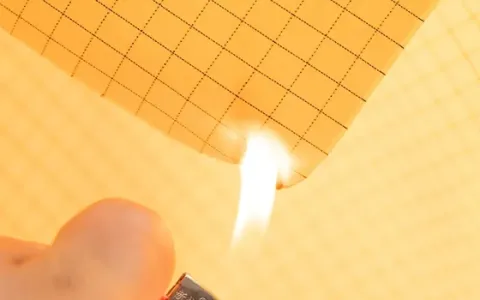
Geleidende streep- of rasterstructuur
Oppervlakte- of volumeweerstand
Toepasselijke testnormen
Wasbestendigheid en onderhoudsvereisten
Termen zoals ESD-stof en antistatisch textiel worden vaak gebruikt om materialen te beschrijven die ontworpen zijn voor elektrostatische ontlading. Hun daadwerkelijke prestaties moeten echter worden geverifieerd door middel van geschikte tests.
Vraag de fabrikant om technische specificaties en testrapporten om te bevestigen dat de stof aan uw toepassingsvereisten voldoet.


3. Inzicht in de materiaal- en geleidende vezelstructuur
De meeste moderne antistatische stoffen combineren conventionele textielvezels met geleidende vezels of filamenten. Polyester wordt veel gebruikt vanwege de vormvastheid, duurzaamheid en compatibiliteit met verschillende textielstructuren.
Veelvoorkomende materiaalmogelijkheden zijn onder andere:
Antistatische polyesterstof: Suitable for electronics, cleanrooms, and industrial garments requiring consistent static control.
Cotton Blended Antistatic Fabric: Combines antistatic functionality with the natural softness and moisture absorption of cotton.
Polyester-Cotton Blends: Balance comfort, durability, and functional performance for different industrial applications.
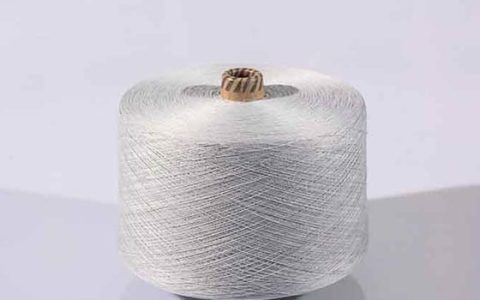
Conductive fibers are another essential factor. Carbon-based conductive filaments and stainless steel conductive yarns can be incorporated into textile structures to help dissipate static charges.
The arrangement of conductive fibers also matters. Common structures include conductive stripes and grid patterns. Different conductive fiber spacings, such as 0.5 mm, 1.0 mm, and 5 mm grids, are available for different fabric designs and application requirements.
4. Measure and Verify Electrical Resistance
Electrical resistance is an important indicator when evaluating the performance of antistatic materials.
A resistance meter or other appropriate testing equipment can be used to measure the electrical properties of a fabric. Depending on the application, relevant measurements may include:
Surface resistance
Volume resistance
Charge decay performance
Antistatic fabric resistance is sometimes discussed within a range of 10⁶ to 10⁹ ohms. However, this should not be treated as a universal requirement. The acceptable range depends on the intended application, testing method, environmental conditions, and applicable standards.
For reliable evaluation, compare test results under consistent conditions and confirm that the measured performance meets the required specifications.
5. Consider Branding, Quality, and Certification
Choose a manufacturer with reliable production capabilities, quality control procedures, and experience in functional textile development.
Before placing an order, consider:
Whether the manufacturer can provide technical specifications and test reports
Whether products can be tested against relevant industry standards
Whether quality remains consistent between production batches
Whether the manufacturer has experience supplying similar industries
Depending on the intended application, standards such as the EN 1149 series and relevant IEC 61340 standards may be useful references. Always verify which specific standard and test method apply to the fabric or finished product.
6. Explore Customization Options
Different industries and customers may require different fabric specifications. Customization allows buyers to select suitable materials and functional properties for their specific applications.
Common customization options include:
Fabric composition and weight
Conductive fiber type and spacing
Fabric construction and texture
Colors and finishing treatments
Additional functions such as flame retardancy, waterproofing, and antibacterial performance
For example, some applications may require antistatic polyester fabrics with a grid structure, while others may need cotton-blended materials for improved wearing comfort.
CJTI biedt diverseantistatische textieloplossingenwaaronder ESD-polyesterstoffen, gebreide katoenen stoffen, stoffen met een hoge dichtheid, gerecyclede polyesterstoffen en functionele antistatische materialen.
7. Volg de juiste onderhoudsinstructies.
Goed onderhoud draagt bij aan het behoud van de prestaties en levensduur van antistatisch textiel.
Verschillende stoffen kunnen verschillende was- en onderhoudsvoorschriften hebben. Volg de instructies van de fabrikant met betrekking tot wastemperatuur, wasmiddelen, droogmethoden en strijkvoorschriften.
Voor kledingstukken die worden gebruikt in kritische omgevingen met elektrostatische ontlading, wordt ook regelmatige prestatietests aanbevolen. Wassen, slijtage, vervuiling en onjuist onderhoud kunnen de eigenschappen van de stof na verloop van tijd beïnvloeden.
Conclusie
Bij de keuze voor het juiste antistatische textiel is een grondige evaluatie nodig van de toepassingsvereisten, materiaalsamenstelling, geleidende vezelstructuur, elektrische weerstand, duurzaamheid en aanpassingsmogelijkheden.
Of u nu antistatisch textiel nodig heeft voor de elektronica-industrie, cleanrooms, medische faciliteiten of industriële toepassingen, samenwerken met een ervaren fabrikant kan ervoor zorgen dat het gekozen materiaal voldoet aan uw technische en operationele eisen.
Gerelateerd nieuws
Lees meer >-
![Hoe kies je antistatische handschoenen: 7 belangrijke factoren om rekening mee te houden?]()
Hoe kies je antistatische handschoenen: 7 belangrijke factoren om rekening mee te houden?
Leer hoe u antistatische handschoenen kiest op basis van ESD-prestaties, materialen, coatings, beweeglijkheid, reinheid, duurzaamheid en toepassingen.
-
![Wat zijn antistatische handschoenen? Hoe werken ze, welke soorten bestaan er en hoe worden ze gebruikt?]()
Wat zijn antistatische handschoenen? Hoe werken ze, welke soorten bestaan er en hoe worden ze gebruikt?
Wat zijn antistatische handschoenen en hoe werken ze? Lees meer over de materialen, soorten, ESD-eigenschappen en toepassingen in elektronica en cleanrooms.
-
![Hoe kies je de juiste cleanroomkleding voor verschillende cleanroomklassen?]()
Hoe kies je de juiste cleanroomkleding voor verschillende cleanroomklassen?
Leer hoe u cleanroomkleding kiest voor ISO-klasse 5, 6, 7 en 8 omgevingen, inclusief kledingtypen, stofvereisten, ESD-bescherming en testen.
-
![Cleanroomkleding versus antistatische kleding: wat is het verschil?]()
Cleanroomkleding versus antistatische kleding: wat is het verschil?
Vergelijk cleanroomkleding met antistatische kleding, inclusief de belangrijkste verschillen in stof, ESD-bescherming, beheersing van contaminatie, normen en toepassingen.
-
![Hoe kies je roestvrijstalen garen voor geleidende textielproducten?]()
Hoe kies je roestvrijstalen garen voor geleidende textielproducten?
Leer hoe u roestvrijstalen garen kiest voor geleidende textielmaterialen. Vergelijk vezelsamenstelling, elektrische weerstand, garendikte, duurzaamheid en testvereisten.
-
![Roestvrijstalen garen versus geleidend garen: wat is het verschil?]()
Roestvrijstalen garen versus geleidend garen: wat is het verschil?
Vergelijk roestvrijstalen garen met geleidende garens van koolstof en zilver. Ontdek de verschillen in geleidbaarheid, duurzaamheid, flexibiliteit en toepassingen.
-
![Hoe werkt een antistatische jas?]()
Hoe werkt een antistatische jas?
Leer hoe een antistatische jas werkt, hoe geleidend garen en antistatische stof statische lading afvoeren en wat de prestaties van de ESD-bescherming beïnvloedt.
-
![Wat is een antistatische jas?]()
Wat is een antistatische jas?
Leer wat een antistatische jas is, hoe deze werkt, welke materialen ervoor gebruikt worden, de belangrijkste toepassingen, ESD-normen en hoe u de juiste jas voor uw werk kiest.